When a Sardine Isn't a Sardine: How Sprats, Herring, and a 21-Species Loophole Ended Up in Your Tin
Why cans emblazoned with bold 'Sardines' headlines routinely hold Baltic sprat, Pacific pilchard, or juvenile Atlantic herring—tracing the global supermarket bait-and-switch from international trade loopholes to the 2002 WTO Sardine War.
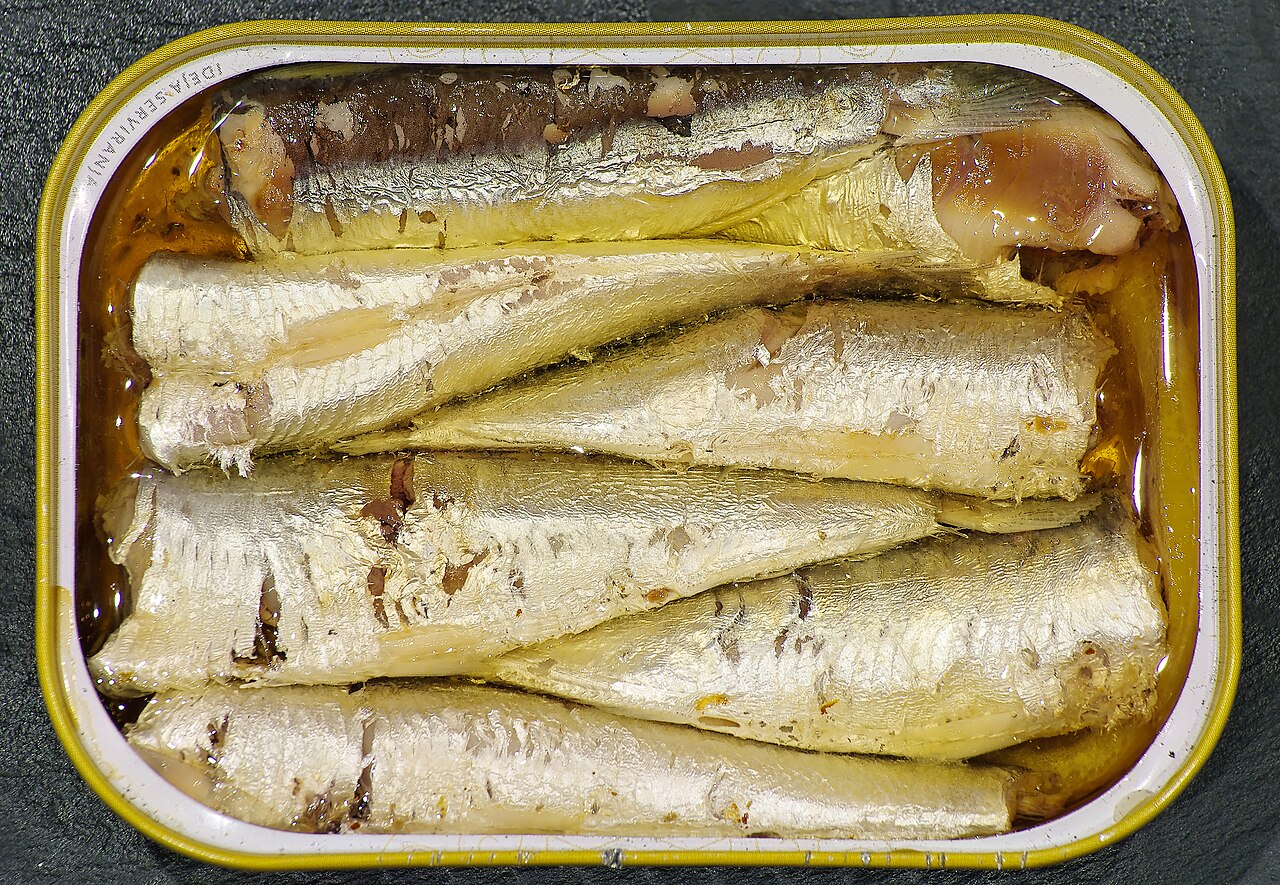
"Walk down a canned-food aisle anywhere in the world—from London and Lisbon to New York, Tokyo, and Warsaw—and pick up a tin emblazoned with the word Sardines. Statistically, there is a remarkably high chance the metal lid is enclosing a completely different biological species."
1. The Universal Tin Paradox: One Name, Twenty-One Species
Outside marine biology classrooms, seafood lovers naturally assume "sardine" works like "Atlantic salmon" or "halibut"—one distinct fish, one unequivocal culinary identity. In reality, within international food law and global commerce, "sardine" is not a singular species at all. It is an expansive commercial product category covering more than twenty small oily fishes across eleven genera in the order Clupeiformes.
The global constitution for canned seafood packaging is the UN FAO/WHO Codex Alimentarius Standard CXS 94-1981 (Standard for Canned Sardines and Sardine-Type Products). Under Section 2.1, processors worldwide are legally authorized to package fish under sardine designations derived from an extensive taxonomic catalogue:
- True European Pilchard: Sardina pilchardus (Northeast Atlantic, Bay of Biscay, Portugal, Galicia, Brittany, Morocco, Mediterranean).
- Northern European Doubles: Sprattus sprattus (European sprat / brisling) and Clupea harengus (juvenile Atlantic herring).
- Pacific & Southern Hemisphere Pilchards: Sardinops sagax (encompassing South American, Californian/North Pacific, Japanese, South African, and Australian populations).
- Tropical Sardinellas & Anchovetas: Sardinella aurita, Sardinella longiceps, Sardinella maderensis, Sardinella lemuru (Bali sardinella), Sardinella brasiliensis, and even South American Engraulis ringens (Peruvian anchoveta) and Strangomera bentincki (Araucanian herring).
In gastronomy, grouping Peruvian anchoveta, Baltic sprat, Atlantic sea herring, and Portuguese Sardina pilchardus under a single shelf headline creates an enormous transparency gap. Each fish exhibits completely different lipid chemistry, muscle firmness, flake structure, bone density, and culinary behavior. Yet a historic international trade dispute in 2002 permanently cemented this umbrella across Western supermarket shelves.
2. The 2002 WTO "Sardine War" (WT/DS231) & The Front-Panel Loophole
For decades, European authorities attempted to guard authentic Atlantic and Mediterranean heritage against foreign substitutes. On 21 June 1989, the European Community enacted Council Regulation (EEC) No 2136/89, establishing an uncompromising taxonomic gate: only fish belonging to Sardina pilchardus Walbaum could be marketed as preserved sardines anywhere within the Common Market. Portuguese, Spanish, Breton, and Moroccan canneries celebrated. South American exporters did not.
Along the nutrient-rich Humboldt Current, Peru lands vast catches of Pacific pilchard (Sardinops sagax sagax)—a species explicitly recognized under the international Codex standard CXS 94-1981. Barred from marketing their canned fish as "sardines" inside the European Union, Peru brought a formal complaint to the World Trade Organization on 20 March 2001: Case WT/DS231 (European Communities — Trade Description of Sardines).
On 26 September 2002, the WTO Appellate Body ruled against Brussels, concluding that Regulation 2136/89 violated Article 2.4 of the Technical Barriers to Trade (TBT) Agreement by rejecting the international Codex standard without scientific justification. Forced to conform by July 2003, the European Commission adopted Regulation (EC) No 1181/2003 (later refined by Regulation (EC) No 1345/2008), establishing the statutory framework governing retail cans today:
1. Standalone Protection Preserved: The phrase "preserved sardines" standing alone without qualifiers remains strictly exclusive to Sardina pilchardus.
2. The "Sardine-Type Products" Backdoor: Species listed in Article 1a—including Sprattus sprattus, Clupea harengus, and Sardinops sagax—may legally use the word "sardines" joined together with the scientific Latin binomial of the species and the geographic area where it was caught.
3. The Typographic Asymmetry Loophole: Article 7a dictates that this combined trade description must be displayed in a "clear and distinct manner." Crucially, however, the statute omitted any requirement for proportional font parity on the front display panel. Mass-market brands were effectively handed permission to print "SARDINES" or "SARDYNKI" in colossal hero type while shrinking the species and catch zone down to fine print.
3. Global Case Studies: How Regional Markets Navigate the Ambiguity
Because international and domestic food regulations permit qualifying descriptors, the sardine label has evolved along radically different paths across major seafood-consuming markets.
Case A: Central Europe & Poland — The Front-Label Substitution
In Central European supermarkets, particularly across Poland, budget canned seafood offers a textbook study of how Article 7a operates at retail speed. Cans priced under 3.50 PLN (roughly 0.80 EUR) routinely carry massive front-panel lettering announcing SARDYNKI in vegetable oil or tomato sauce, decorated with vintage maritime motifs.
Examine the fine print along the seam or the reverse ingredient block, however, and the mandatory disclosure appears: szprot (Sprattus sprattus) harvested from the Baltic Sea (FAO 27.IIId), or juvenile śledź atlantycki (Clupea harengus) (Atlantic herring).
The scale of this practice has drawn repeated scrutiny from statutory food regulators. Poland's Agricultural and Food Quality Inspection, IJHARS (Inspekcja Jakości Handlowej Artykułów Rolno-Spożywczych), conducts nationwide audits of canned and marinated seafood across processing facilities and retail chains. In multi-point inspections, IJHARS uncovered labeling and quality irregularities in over 60% of audited entities. Alongside ambiguous ingredient declarations (such as generic "vegetable oil" masking cheap rapeseed oil) and misleading packaging graphics, inspectors specifically cited tins that emphasize bold sardine trade names while obscuring the true sprat or herring identity. Audits also noted substantial drained-weight shortfalls—such as 110g cans containing only 72g to 77g of fish, far below the dense, hand-trimmed 68% to 75%+ meat yields characteristic of Iberian and Breton canneries.
The Hook: Hero display type triggers Mediterranean associations; small legal disclosures fulfill the letter of Article 7a while hiding the substitution at shelf speed.
The Standard: True European pilchards exclusively from open Atlantic upwelling waters, steamed and hand-trimmed whole (typically 3 to 5 trunks per tin).
Case B: Scandinavia, Latvia & Northern Poland: The Honest Craft of "Brisling Sardines"
Before assuming every sprat inside a sardine tin is a cynical swap, consider the fjord towns of western Norway and the Gulf of Riga. For more than a century, Nordic and Baltic canneries have perfected Brisling Sardines: juvenile European sprats (Sprattus sprattus), lightly cold- or hot-smoked over alder and oak wood smoke and hand-braided into tidy double layers inside flat rectangular tins.
Norwegian icon King Oscar (founded in Stavanger in 1902—whose modern high-volume European production facility notably operates in Gniewino, Poland) and heritage Latvian processor Diplomats (SIA Unda, Engure) openly champion sprats in extra virgin olive oil for export to the United States, UK, and Australia. Under U.S. FDA Seafood List rules, "Brisling Sardines" is an explicit, honored commercial standard rather than deception. The distinction comes down to transparency and intent: artisanal oak-smoked brisling priced fairly for craft labor versus unsmoked industrial Baltic sprats sold under giant headlines so shoppers mistake them for Atlantic pilchards.
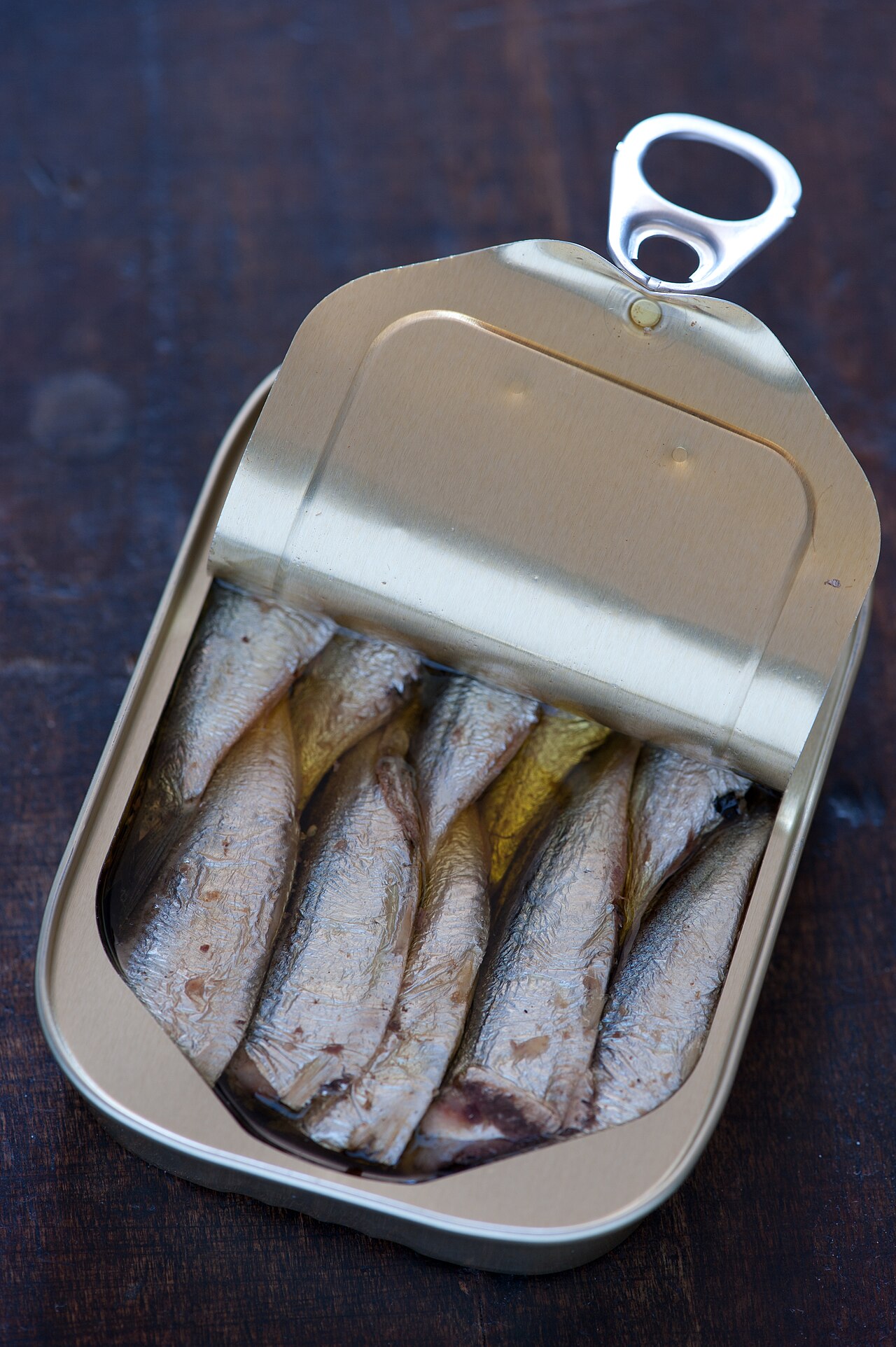
Case C: United States: A Century of "Maine Sardines" & Pacific Pilchards
North Americans grew up eating herring while thinking they were eating sardines. From the 1870s through the twentieth century, dozens of coastal canneries in Eastport, Lubec, and Prospect Harbor, Maine packed small juvenile Atlantic sea herring (Clupea harengus) in soybean oil or mustard sauce as "Maine sardines"—an entirely lawful commercial custom enshrined in U.S. FDA market guidance. Even after Maine's last surviving cannery (Stinson Seafood in Prospect Harbor) closed in April 2010, inherited Canadian Maritimes tins (such as Brunswick) continue packing juvenile Atlantic herring under sardine branding.
Meanwhile, North American sustainably-focused brands like Wild Planet source true Pacific pilchards (Sardinops sagax)—see their Wild Sardines Skinless & Boneless Fillets in Extra Virgin Olive Oil in the Sardinista catalog—proving how cleanly transparent labeling separates California-style Pacific pilchards from Atlantic herring.
Case D: Cornwall, United Kingdom: The Ironic Reverse Rebrand (1997–2009)
To appreciate how thoroughly terminology shapes pantry perception, look at Southwest England—where producers pulled off the exact opposite maneuver using a real sardine. In British English, young Sardina pilchardus were always called "sardines," while fully grown adult fish of the identical species were called "pilchards."
By 1997, associated with dingy tomato-sauce rations from post-war school dinners, "pilchards" had become commercial poison; annual Cornish landings flatlined at roughly 7 tonnes. Recognizing the biological identity was identical, Newlyn fish merchant Nick Howell spearheaded a visionary rebrand, ditching "pilchard" altogether in favor of "Cornish Sardines." Supermarket demand exploded overnight, modern ring-net boats revived the fleet into thousands of tonnes annually, and in December 2009 Cornish sardines earned EU Protected Geographical Indication (PGI) status. Words do not change taxonomy—but they make or break entire fisheries.
4. Ichthyology in Your Kitchen: Telling Pilchards, Sprats & Herring Apart
Once you peel back a tin lid, you do not need DNA barcoding to identify what swam into your oil. Nineteenth-century French naturalists Henri Gervais and Raoul Boulart captured the textbook anatomical hallmarks in their 1877 monograph Les Poissons:
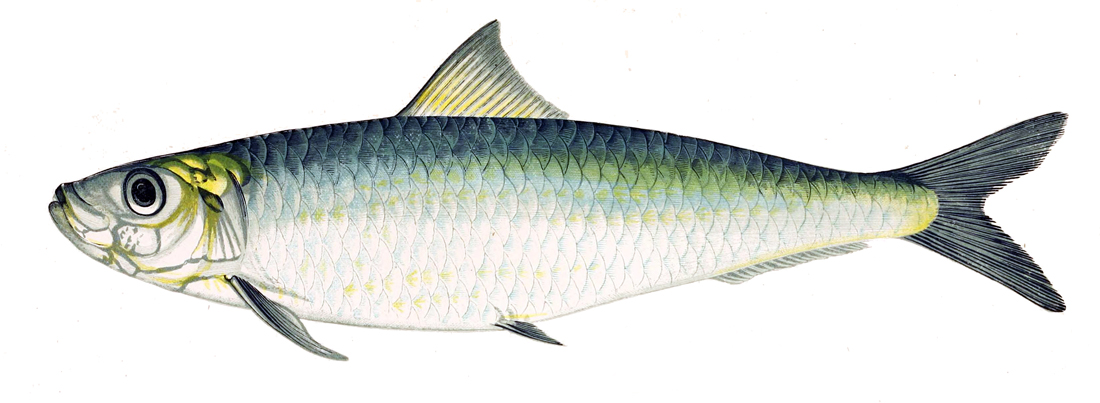
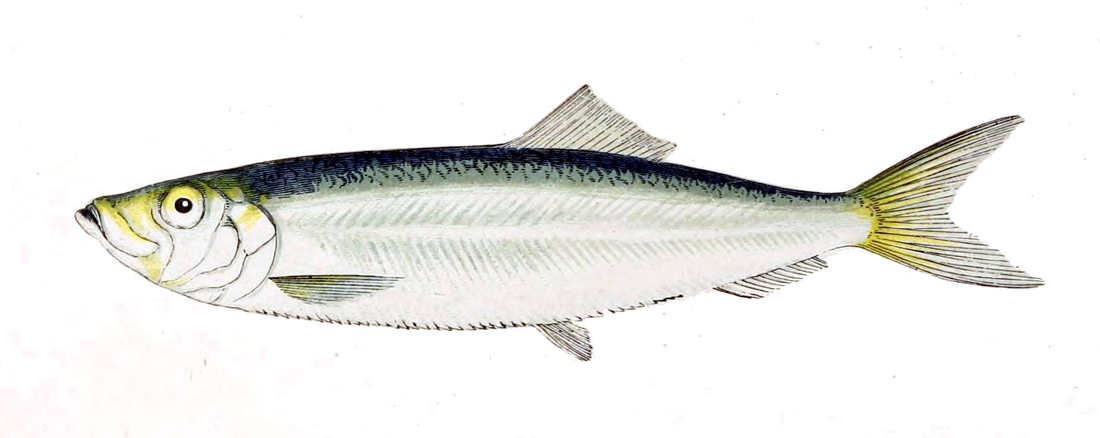
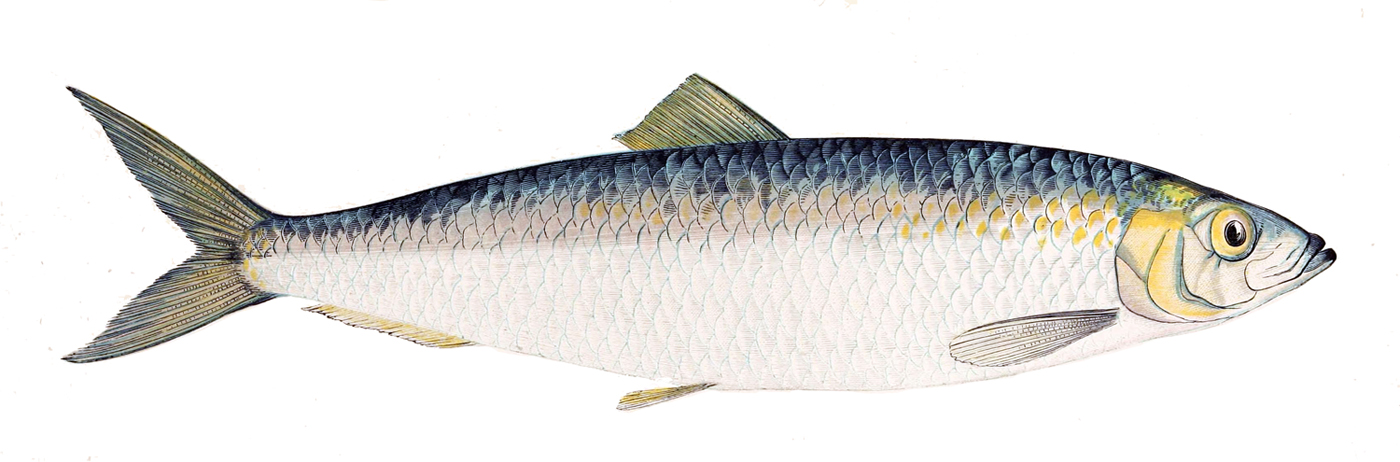
| Attribute | True Sardine (S. pilchardus) | European Sprat (S. sprattus) | Atlantic Herring (C. harengus) | Pacific Pilchard (S. sagax) |
|---|---|---|---|---|
| Polish / Trade Name | Sardynka europejska / True Sardines | Szprot / Brisling Sardines | Śledź atlantycki / Maine Sardines | Sardynka pacyficzna / Pacific Sardines |
| Typical Tin Count (120g) | 3 to 5 meaty trunks (or 8–12 "sardinillas") | 10 to 22 petite fish packed in 2 layers | 4 to 6 trimmed juvenile trunks or steaks | 3 to 5 large meaty trunks or skinless fillets |
| Anatomical Tell | Radiating ridges on gill cover; loose large scales | Smooth gill cover; sharp saw-toothed belly keel | Smooth gill cover; darker lateral dorsal muscle | Dark spots along upper flank; heavy cylindrical body |
| Common FAO Zones | FAO 27.VIII, 27.IXa, FAO 34, FAO 37 | FAO 27.IIId (Baltic), FAO 27.IV (North Sea) | FAO 27 (Northeast Atlantic), FAO 21 (Maine/Canada) | FAO 87 (Peru/Chile), FAO 67/77 (North Pacific) |
| Texture & Flavor | Firm flake, clean briny sweetness, rich confit | Delicate, velvety when oak-smoked; soft if unsmoked | Assertive marine depth, slightly leaner bite | Mild, steak-like density, savory |
| Vintage Aging Suitability | Prime candidate (5–10 years in EVOO) | Poor (eat within 12–24 months) | Low to moderate | Moderate (3–5 years in pure olive oil) |
5. How Labeling Ambiguity Impacts Gastronomy, Ecology & Craft Margins
At this point, a skeptical shopper might ask: If sprats and herring still deliver Omega-3s and Vitamin D, why does species precision inside a tin actually matter? In the modern specialty conservas renaissance, conflating these species warps three critical pillars:
- Culinary & Structural Performance: Try plating a warm tomato-basil pasta or recreating our Crispy Fried Eggs in Spiced Sardine Oil using a watery budget sprat tin versus Portuguese artisan tins like Pinhais Sardines in Spiced Olive Oil or Nuri Spiced Sardines in Olive Oil . Unsmoked Baltic sprats packed in industrial rapeseed oil break into mush as soon as heat touches the skillet, whereas pre-steamed Iberian Sardina pilchardus hold clean, silky lobes alongside clove, bay leaf, and piri-piri oil. The same holds for cellaring: our earlier research into The Millésime Phenomenon relies on autumn-caught Sardina pilchardus exceeding 11% body fat inside protective olive oil, as exemplified by heritage releases like Cantara 2021 Millésimée Vintage Sardines or French classics like Berthe Sardines with Tomato and Basil in Olive Oil .
- Marine Ecology & Catch Basin Realities: Consumers reaching for sardines often seek ultra-clean, short-lived oceanic pelagics. Open-Atlantic upwelling fisheries off Portugal, Galicia, and Brittany (FAO 27.VIII & 27.IXa) enjoy rapid oceanic water exchange. Conversely, the Baltic Sea (FAO 27.IIId)—a brackish, semi-enclosed basin with sluggish water turnover—historically exhibits higher background concentrations of lipid-soluble dioxins and PCBs in fatty fishes like older Baltic herring and Baltic sprat. Catch zone isn't trivia; it is an environmental provenance passport.
- Price Anchoring Against Artisanal Canneries: Raw industrial Baltic sprat lands at a fraction of the cost of fresh purse-seine Sardina pilchardus unloaded at Matosinhos auctions, where women trim and pack each fish by hand (emlatado a mano). When supermarket shelves let 3.50 PLN sprat tins parade under giant Sardynki typography next to 4 EUR–8 EUR craft tins without explaining the taxonomic difference, first-time buyers assume the artisan tin is simply overpriced—starving sustainable small-boat fleets of fair compensation.
6. The Sardinista 5-Second Tin Audit Protocol
Do not swear off sprats—oak-smoked Latvian and Norwegian brisling paired with rye bread and cultured butter are a northern classic. Simply demand informed consent before paying. Use this four-point checklist before tossing any tin into your basket:
- Locate the Latin Binomial: Ignore the front headline and read the ingredient block. Demand
Sardina pilcharduswhen buying classic Atlantic or Mediterranean sardines—or intentionally chooseSprattus sprattusonly when seeking smoky Nordic brisling. - Check the FAO Catch Code: Genuine European sardines come from
FAO 27.VIII(Bay of Biscay),FAO 27.IXa(Portugal/Spain),FAO 34(Morocco), orFAO 37(Mediterranean)—neverFAO 27.IIId(Baltic Sea). - Decode the Veterinary Oval (EMB Stamp): Look inside the small oval inspection mark stamped on the tin or carton:
PT(Portugal),ES(Spain), andFR(France) signal traditional pilchard canneries, whilePL,LV, orEEalmost universally indicate sprat or herring processing. - Calculate the Drained Meat Ratio & Named Oil: Divide drained fish weight by total net weight. Aim for 70% or higher (e.g., 85g–90g fish in a 120g tin) submerged in explicitly named Extra Virgin Olive Oil rather than vague "olej roślinny" (generic vegetable oil).
Frequently Asked Questions
Are 'brisling sardines' real sardines or sprats? expand_more
Biologically, brisling sardines are European sprats (Sprattus sprattus), not true European pilchards (Sardina pilchardus). Under Codex Alimentarius CXS 94-1981 and U.S. FDA naming customs, qualifying them as 'Brisling Sardines' is legal—and artisanal oak-smoked Norwegian or Latvian brisling can be deeply delicious—so long as you know you are buying sprats.
Why do supermarket tins in Poland and other EU countries labeled 'Sardines' or 'Sardynki' often contain szprot or śledź? expand_more
Under amended EU Regulation (EEC) No 2136/89 (Articles 1a and 7a), brands can legally use the trade word 'sardines' for sardine-type species such as Sprattus sprattus (szprot) or Clupea harengus (śledź atlantycki) provided the Latin species name and FAO catch area appear alongside it. Because the law mandates clarity without prescribing equal font proportions, mass-market processors print 'SARDINES' or 'SARDYNKI' in prominent display type while placing the actual species in fine print.
How can I verify that a tin contains genuine Iberian or French sardines? expand_more
Look for three markers together: the Latin binomial 'Sardina pilchardus' on the ingredient deck, an Atlantic or Mediterranean catch code such as FAO 27.VIII, FAO 27.IXa, or FAO 37 (never Baltic Sea FAO 27.IIId), and a cannery oval (EMB code) from traditional producers in Portugal (PT), Spain (ES), or France (FR).
What happened to the U.S. 'Maine sardine' industry? expand_more
For over a century, American canneries along the Maine coast packed juvenile Atlantic sea herring (Clupea harengus) under the accepted domestic market name 'Maine sardines'. Shifts in global competition and supply closed the last American sardine cannery in Prospect Harbor, Maine in 2010.
Is an aged tin of sprats comparable to millésime Sardina pilchardus? expand_more
Rarely. True millésime cellaring depends on dense autumn body fat (>11%) and firm pelvic-truncal structure characteristic of Atlantic Sardina pilchardus immersed in cold-pressed olive oil. Unsmoked Baltic sprats in generic seed oils or acidic tomato sauce tend to soften rapidly rather than developing a clean confit structure.